
What Is Autistic Masking (and Why It's Costing You Everything)
Many adults who come to the clinic describe a version of the same experience. They have been getting through their days for as long as they can remember, meeting the expectations of school, work, and family, and look to everyone around them as though they are managing fine. What is not visible from the outside is the amount of effort that keeping up appearances requires, or the fact that the effort itself has become the main thing they spend their energy on. Many of these adults have started to notice that something is not sustainable, even if they cannot yet name what it is. When they encounter the concept of autistic masking, often through a therapist, a diagnosis, or content they came across online, it tends to be one of the first frameworks that fits what they have been living.
This article explains what masking is, what it looks like in daily life, why it happens, and what the research and clinical literature say about its long-term effects. It also addresses what unmasking can realistically look like, and why the process is more nuanced than the term sometimes suggests.
The Short Answer
Autistic masking is the conscious or unconscious suppression of natural autistic traits, such as stimming, direct communication, or sensory needs, in order to appear neurotypical and avoid judgment, exclusion, or harm. It often looks like forcing eye contact, rehearsing social scripts, or mimicking the body language and expressions of others. While masking can help someone get through school, work, and social situations, sustaining it long-term places a substantial cognitive and emotional load on the brain that most people are not aware they are carrying. Over time, masking has been associated with chronic exhaustion, anxiety, depression, identity confusion, and autistic burnout, which is why understanding it matters long before it reaches a point of crisis.
What Masking Actually Is
Masking, sometimes called camouflaging in the research literature, refers to the range of strategies that autistic people use to hide or modify their natural way of being in order to fit into environments built around neurotypical expectations. The behaviors involved are not always chosen consciously. In many cases, they begin in early childhood as an adaptive response to social feedback and become so automatic over time that the person does not recognize them as necessarily effortful or harmful.
Some masking is deliberate, such as rehearsing a conversation before a meeting or reminding oneself to make eye contact during an introduction. Other forms are more automatic and have been practiced for years, such as suppressing the urge to stim during a stressful moment or forcing a facial expression to match other people’s. The common feature is that the person is running two mental processes at the same time. The first is participating in whatever is actually happening, whether that is a conversation, a work task, or a social gathering. The second is monitoring their own body, voice, expressions, and behavior to make sure they align with what others expect. That second process, sustained across an entire day, is what makes masking so cognitively expensive.
It is worth being clear that everyone modifies their behavior socially to some degree. The difference for autistic people is that the modification is often much more extensive, requires much more sustained attention, and involves suppressing responses that are not harmful but are simply different from the neurotypical default. Adjusting tone in a work meeting is not the same as spending eight hours running a full performance of a person you are not.
What Masking Looks Like Day to Day
The specific behaviors involved in masking vary from one person to another, but several patterns come up repeatedly in both research and in clinical settings.
One category involves suppressing natural regulatory behaviors. Stimming, which refers to repetitive movements such as hand-flapping, rocking, pacing, or fidgeting with objects, is a common and healthy way for autistic people to regulate their nervous systems. Many autistic adults have learned to hide stimming in public because they were taught, directly or indirectly, that it is unacceptable. The stim itself does not disappear. It is typically replaced by a smaller, less visible version, or held back entirely until the person can be alone. Holding it back does not remove the underlying need for regulation, which then has to be managed some other way.
A second category involves mimicking neurotypical patterns of nonverbal communication. This can include forcing eye contact that feels uncomfortable or physically painful, copying the facial expressions and gestures of others, adjusting posture to match a group, and manufacturing expressions that seem appropriate to a given situation. Many autistic adults describe this as a kind of live translation, where they are watching others closely for cues about what they are supposed to do, then doing it, while also trying to follow the actual content of the conversation.
A third category is social scripting. This involves rehearsing conversations, jokes, greetings, and responses in advance, sometimes for hours before a meeting or social event. It also includes memorizing rules of etiquette that other people seem to follow intuitively and using those rules to navigate small talk. Scripting can be highly effective, and many people who mask well are not recognized as autistic precisely because their scripts are polished. The effort required to build and maintain the scripts, however, is not visible to observers.
A fourth category involves sensory masking, which is the suppression of visible reactions to sensory experiences that are genuinely painful or overwhelming. Someone might not appear bothered by fluorescent lighting, background music, strong smells, or crowds while their nervous system is quietly dealing with significant distress and strain. Because the response is not visible, the environment is often not adjusted, and the person is left to absorb the load internally.
Why People Mask
Masking usually begins in childhood and develops in response to real social pressures. A child who stims openly, communicates in a very direct style, or reacts visibly to sensory input often receives feedback that these behaviors are unwelcome. That feedback can be explicit, in the form of correction or discipline, or it can be implicit, in the form of exclusion from peer groups, bullying, or repeated messages that the child is behaving inappropriately. Over time, the child learns which parts of themselves are acceptable in which contexts and which parts have to be hidden.
For many autistic adults, particularly those who were not identified as autistic in childhood, this pattern continues into adolescence and adulthood, where the stakes expand from social belonging to employment, professional reputation, and access to opportunities. Masking becomes tied to job security, professional relationships, romantic partnerships, and, in some cases, physical safety. The specific pressures vary by gender, race, culture, class, and life context. Autistic women and girls are often expected to meet particularly narrow standards of social and emotional presentation, which is one reason masking is often more pronounced in this group. Autistic people of color often face additional pressures related to being read accurately in environments where their behavior is more likely to be misinterpreted.
Understanding the reasons masking developed is important because it clarifies that masking is not a personal failing or a lack of authenticity. It is an adaptive response to environments that were not built to accommodate neurodivergent ways of being. The cost of that adaptation, however, is real, and it accumulates in ways that eventually become difficult to ignore.
The Real Cost of Masking
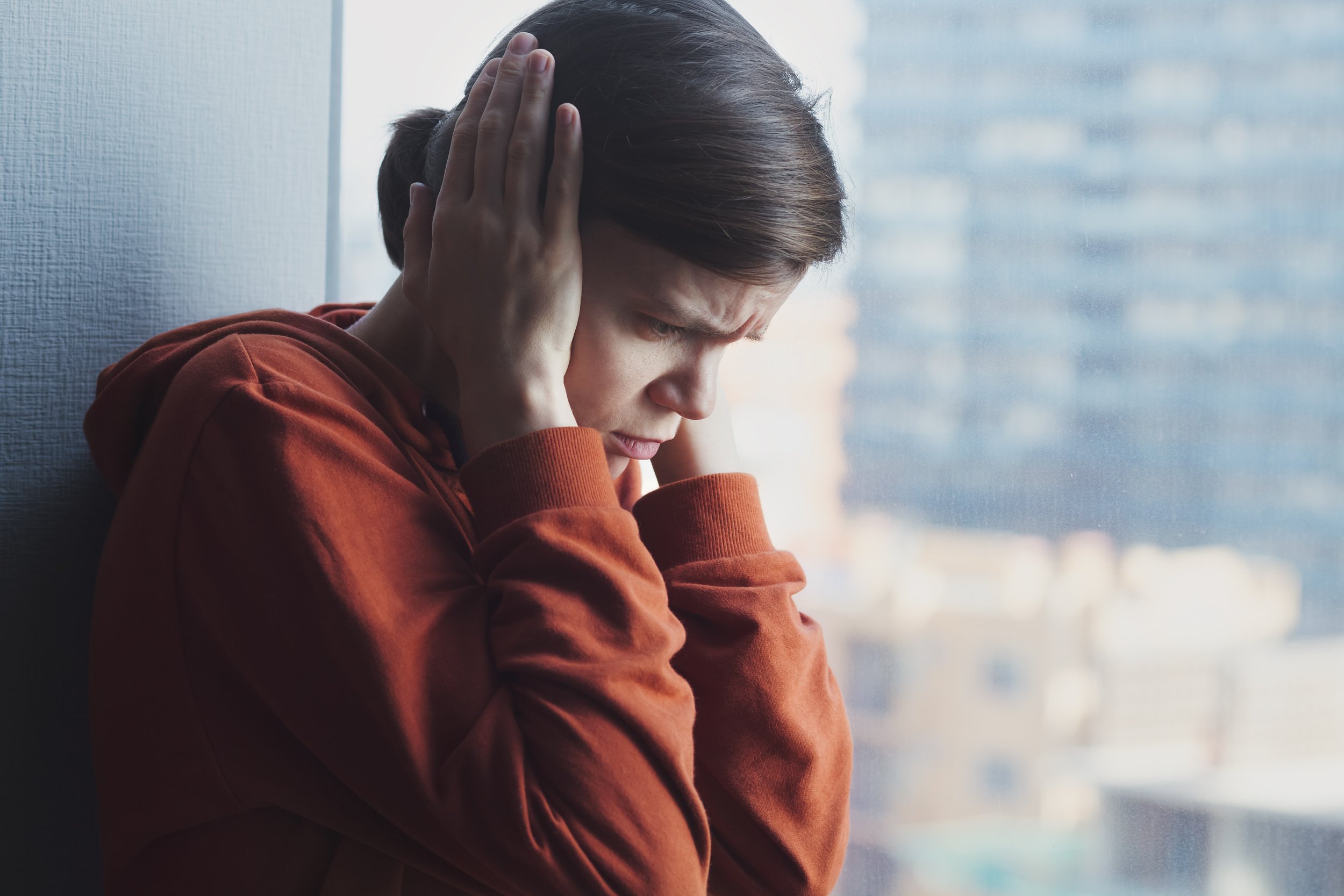
The clinical and research literature has documented several categories of impact associated with sustained masking. These findings are consistent across multiple studies, though the specific way each person experiences these effects varies considerably.
Cognitive and emotional exhaustion
The dual-tracking involved in masking places a continuous demand on working memory, executive function, and emotional regulation. Sustaining this across an eight- or ten-hour day depletes cognitive resources in a way that resembles the fatigue seen in prolonged concentration tasks, except that it does not stop when the workday ends. Many autistic adults describe coming home with nothing left, unable to speak, engage with family, or complete simple tasks. This is not a matter of general tiredness. It reflects a specific pattern of depletion tied to the effort of sustained self-monitoring and management.
Chronic anxiety and depression
Research on camouflaging has consistently found associations between high levels of masking and elevated rates of anxiety, depressive symptoms, and reduced self-esteem. The reasons are not fully understood, but likely involve several overlapping mechanisms. Chronic suppression of natural responses places a sustained physiological load on the nervous system. Repeated experiences of feeling that one's authentic self is unwelcome contribute to internalized shame, invalidation, and negative self-concept. The exhaustion produced by masking reduces the person's capacity to engage in the recovery activities that would otherwise buffer against these effects. Over time, these factors can compound.
The research on suicidality in autistic adults is a serious area of study, and higher rates of masking have been associated with elevated risk in some studies. This finding warrants attention from clinicians and from the people affected, but it should not be used to imply that any individual who masks is at imminent risk. What the research does indicate is that masking is not a neutral coping strategy and that the mental health effects are significant enough to warrant clinical attention.
Identity confusion
When someone spends most of their waking hours adjusting their responses to match the people around them, the sense of what is actually theirs, as opposed to what has been performed for the environment, can become unclear. Many adults describe realizing, often in the process of assessment or therapy, that they do not know what they prefer, how they feel, or what they need when no one else is watching. This is not a psychological deficit or a symptom of anything separate. It is a predictable consequence of decades of invalidation and self-modification. Rebuilding a clear sense of self is often a substantial part of the work that follows a late diagnosis.
Autistic burnout
Autistic burnout is a distinct phenomenon that is now well described in the clinical and community literature. It refers to a period of significant loss of function that follows sustained masking, unmet support needs, and cumulative stress. The features typically include extreme exhaustion that does not resolve with normal rest, loss of skills that the person was previously able to use reliably, reduced tolerance for sensory input, and difficulty with speech or communication. It is not the same as depression, though depressive symptoms often accompany it, and it does not respond to the treatments that work for professional burnout in neurotypical adults. Recovery generally requires an extended period of reduced demand, sensory adjustment, and, in many cases, professional support.
Burnout is one of the reasons masking matters as a clinical concern rather than as a lifestyle question. A person who is masking heavily may be functioning well by external measures until they are not, and the transition from functioning to burnout can feel sudden even though the underlying accumulation has been going on for years.
Why Masking Often Delays Diagnosis
One of the practical effects of masking is that it makes autism harder for clinicians, teachers, and other adults to identify. A child who learns early to suppress visible stimming, mimic peer behavior, and mask sensory distress may look, from the outside, like a well-adjusted student. An adult who has spent thirty years building a professional identity around scripted social skills may present in an initial appointment as socially capable, articulate, and engaged. Standard diagnostic tools and less experienced evaluators can miss autism entirely when the person being assessed has learned to hide the traits that the tools were designed to detect.
This is one of the reasons so many adults, particularly women, receive their first accurate identification of autism much later in life, often after years of being told that a previous evaluation ruled it out or that the traits they described did not sound like autism. It is also one of the reasons why a careful, collaborative assessment with an autism specialist that leaves space for the person to describe their own internal experience produces more accurate results than a brief evaluation based only on observed behavior. The relationship between masking and delayed diagnosis is one of the recurring reasons that autism is under-identified in adults who otherwise appear to be functioning well.
Signs You Might Be Masking Without Realizing It
Because masking is often automatic, many autistic adults do not initially recognize what they are doing. Some patterns tend to indicate that masking is playing a substantial role, even when the person does not experience their behavior as effortful in the moment.
One is the intensity of the recovery period after normal social activity. If a standard workday, a family gathering, or a routine social interaction is followed by hours or days of exhaustion, sensory sensitivity, or shutdown, this often reflects the cost of masking during the event itself. Another is a persistent sense of performing rather than participating, of watching yourself in social interactions from a distance, or of feeling that no one has really met you even after years of knowing you. Another is the discovery that you cannot easily answer questions about your preferences, your comfort, or your needs when there is no external cue guiding you, because the answers you have provided in the past have been calibrated to what was expected rather than what was actually true.
Repeated experiences of being surprised by your own feelings, or noticing that you feel differently in solitude than you do in company, can also point to masking. So can chronic fatigue that does not resolve with rest, particularly if it is accompanied by improvement during periods when social demands are reduced, such as vacations or working from home.
None of these signs on their own confirms that someone is autistic, and masking is not exclusive to autism. Taken together with other patterns, however, they often become part of the picture that leads someone to seek an evaluation.
What Unmasking Can Realistically Look Like in Therapy
The concept of unmasking is sometimes discussed as though it were a single event or a straightforward decision to stop performing. In practice, unmasking is a longer and more nuanced process, and the goal is usually not to abandon masking entirely.
For many autistic adults, masking developed for real reasons and continues to serve real functions in some environments. A workplace that would penalize a person for stimming visibly, a family context that would react poorly to a change in communication style, or a public setting where the person's safety could be affected are all situations in which continued selective masking is a reasonable choice. The purpose of therapy is not to eliminate the ability to mask, but to reduce the amount of time and energy the person spends masking unnecessarily, to build environments and relationships where they do not have to, and to reduce the internalized shame that often surrounds their natural traits.
The specific work involved varies. It often includes identifying which of someone’s behaviors are actually masking, distinguishing them from natural preferences the person has developed for other reasons, and beginning to notice when masking is happening in real time. It usually includes work on sensory regulation, because reducing baseline nervous system load makes masking less necessary in the first place. It often involves recovering the ability to identify one's own preferences, feelings, and needs, which for many adults requires deliberate practice after years of self-suppression. And it includes support for the process of disclosing, when the person chooses to, in relationships and contexts where being more openly autistic changes the dynamic.
Therapy that supports this process is most effective when it is delivered by clinicians who understand autism from an affirming perspective. Traditional therapy models that assume the goal is to reduce autistic behaviors and increase neurotypical presentation can, in practice, reinforce the pattern that produced the burnout in the first place.
How Assessment and Therapy Work Together
For adults who have not yet been formally assessed, an evaluation that accounts for masking is often a useful starting point. A comprehensive assessment can clarify whether the exhaustion, identity confusion, and social difficulty being experienced are best understood in the context of autism, ADHD, both, or another explanation. Having that clarity often changes what therapy can address and how effectively it can address it.
For adults who already have a diagnosis, therapy with a clinician trained in affirming approaches to autism and autistic burnout is often the next practical step. The work generally focuses on reducing sensory and cognitive load, building sustainable environments, understanding one's own patterns of masking and its costs, and gradually rebuilding a clearer sense of self. This is usually a longer-term process rather than a short course of treatment, and the pace is set by the person doing the work.
Assessment and therapy are complementary rather than competing. An accurate diagnostic picture supports more targeted therapy, and therapy is often what makes the practical implications of a diagnosis usable in daily life.
Frequently Asked Questions
What is autistic masking?
Autistic masking, also called camouflaging, is the process of hiding or suppressing natural autistic traits to appear more neurotypical, often to avoid stigma, fit into social expectations, or maintain safety. It can be conscious or largely automatic, and it typically develops early in life in response to social feedback.
What are examples of autistic masking?
Common examples include forcing eye contact, suppressing stimming, rehearsing conversations in advance, mimicking others' body language and facial expressions, hiding sensory discomfort, and using memorized rules of etiquette to navigate social situations that others handle intuitively.
Why is autistic masking exhausting?
Masking requires ongoing real-time self-monitoring and suppression of natural responses. The cognitive load of running that monitoring process in parallel with normal daily activity depletes working memory, executive function, and emotional reserves in a way that accumulates across the day and, over time, contributes to chronic exhaustion and burnout.
Can masking cause depression or anxiety?
Research has consistently linked high levels of masking to elevated rates of anxiety, depression, and reduced self-esteem in autistic adults. The mechanisms likely involve chronic nervous system load, internalized shame, long-term invalidation, and reduced capacity for restorative activities, though the specific experience varies from person to person.
What is autistic burnout?
Autistic burnout is a period of extreme physical, cognitive, and emotional exhaustion that develops from prolonged masking and unmet support needs. It typically involves fatigue that does not resolve with normal rest, loss of previously reliable skills, reduced tolerance for sensory input, and difficulty with communication. It is distinct from professional burnout and generally requires an extended period of reduced demand to recover from.
Does everyone mask the same way?
No. Masking varies by individual, and factors such as gender, race, cultural background, life history, and current environment all shape both the pressure to mask and the specific ways it manifests. Women, girls, and people of color often face particular pressures that lead to more pronounced or differently patterned masking.
Is unmasking always the goal?
Not necessarily. Many autistic adults choose to continue masking selectively in environments where openly autistic behavior would carry real costs, such as certain workplaces, family, or public settings. The goal of therapy is usually to reduce unnecessary masking, build environments where authenticity is possible, and reduce the shame surrounding natural traits, rather than to eliminate the ability to mask entirely.
How is masking different from just being polite or professional?
Everyone adjusts their behavior socially, but ordinary politeness does not typically involve suppressing regulatory behaviors, mimicking basic patterns of communication, or running a continuous background process to monitor one's own body and expressions. Masking involves substantially more sustained effort and touches parts of the person's natural functioning that ordinary social adjustment does not.
About Eleanor Palser, PhD
I am a licensed clinical psychologist based in San Francisco, and the founder of The Neurodiversity Clinic. I have a doctorate and post-doctoral training in clinical psychology, and I have spent my entire professional career working with neurodivergent children, teens, and adults.
I am trained in the gold-standard diagnostic tools for autism, including the ADOS-2, ADI-R, and MIGDAS-2, and I use comprehensive assessment batteries selected for each individual client. I also hold an appointment as an Assistant Professor at Palo Alto University, where I am the Director of Pediatric Behavioral Health and run the Affective Development Lab, where our research focuses on the emotional and mental health needs of neurodivergent people and how emotion and identity develop across the lifespan.
I am also neurodivergent myself. I was diagnosed with dyspraxia (also known as Developmental Coordination Disorder) during my PhD, and that experience shapes how I show up in this work. I know what it feels like to spend years wondering what is different about you and why some things are just so hard. I know what it feels like to finally get language for it. And I know how much both the difficulty and the gift of a neurodivergent brain shape a whole life.
The Neurodiversity Clinic offers autism, ADHD, and learning differences assessments for children from age two, teens, and adults. Every assessment includes a feedback session designed to be understandable and useful, a written report, and a follow-up counselling session a few weeks later. A diagnosis is the start of something, not the end.